

The Uganda Law Society (ULS) has urged the government to exercise caution in regulating social media, warning that proposed measures to filter and control online content could violate constitutional rights.
The warning follows an announcement by the Minister for ICT and National Guidance, Dr. Chris Baryomunsi, who unveiled a new communication policy aimed at regulating social media and deploying content-filtering technology.
The government said the policy is intended to promote “productive use” of online platforms for business and education while curbing hate speech and misinformation ahead of the 2026 general elections.
ULS, however, said such measures risk infringing on citizens’ rights to freedom of expression, access to information, and digital privacy.
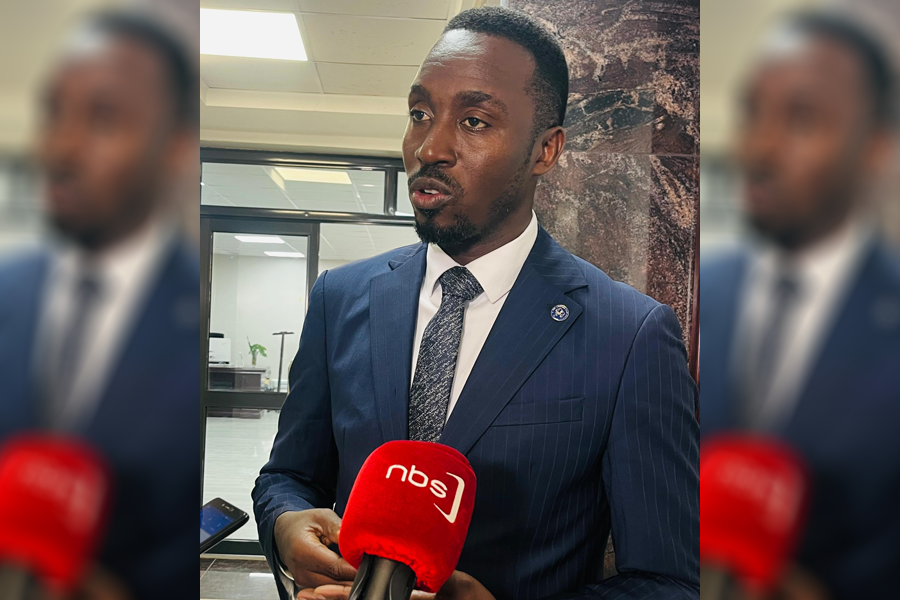
“Any regulatory regime that empowers the State to filter, restrict, or control online speech risks obstructing lawful expression and undermining the public’s right to receive and impart information,” ULS Vice President Asiimwe Anthony said.
The society cited Article 29(1)(a) of the Constitution, which guarantees freedom of speech and expression, and Article 41, which protects access to information.
It also referenced Article 43(2)(c), noting that any limitation on fundamental rights must be justifiable in a free and democratic society.
Uganda recently experienced internet and social media shutdowns during the general elections, which curtailed access to news, civic engagement, and public accountability.
ULS warned that additional restrictive measures could have similar effects, stifling public discourse and limiting democratic participation.
Instead, the society urged the government to focus on promoting digital literacy and expanding affordable internet access, particularly in rural areas.
“As the world rapidly advances in technology, Uganda must empower citizens to participate meaningfully in the digital economy, rather than impose restrictive measures,” Asiimwe said.
